

breast reduction surgery
The best breast reduction should do more than relieve symptoms. My goal is to create lighter, more comfortable breasts that remain balanced and proportionate over the long term.
Introduction
Breast reduction surgery (reduction mammoplasty) is performed to reduce breast volume and weight, improve breast shape, and address physical symptoms associated with heavy or disproportionately large breasts.
Many patients seek breast reduction due to chronic discomfort, including neck, shoulder and back pain, shoulder grooving from bra straps, skin irritation beneath the breasts, difficulty exercising, and challenges with clothing fit. In addition to symptom relief, breast reduction can significantly improve breast proportion and balance.
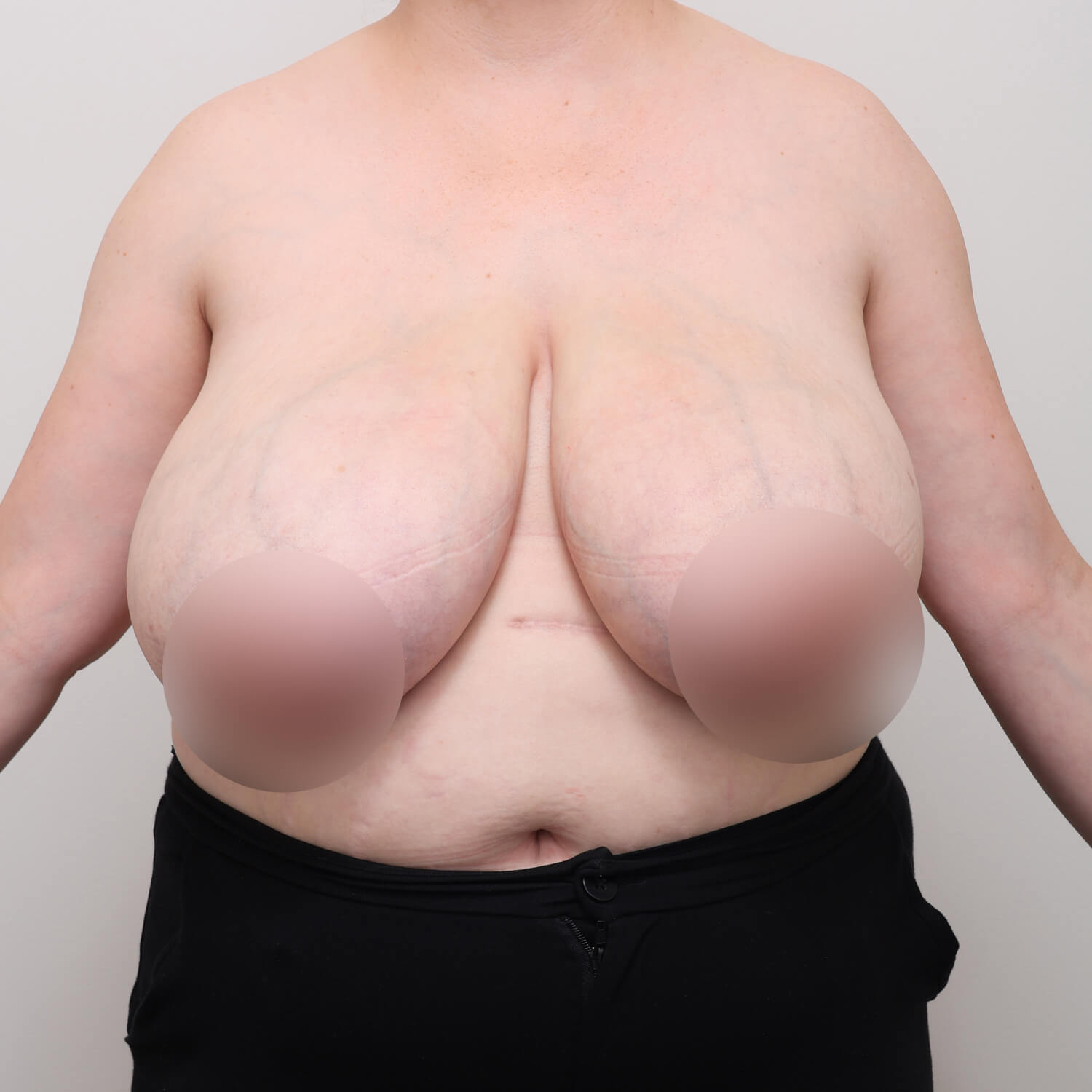
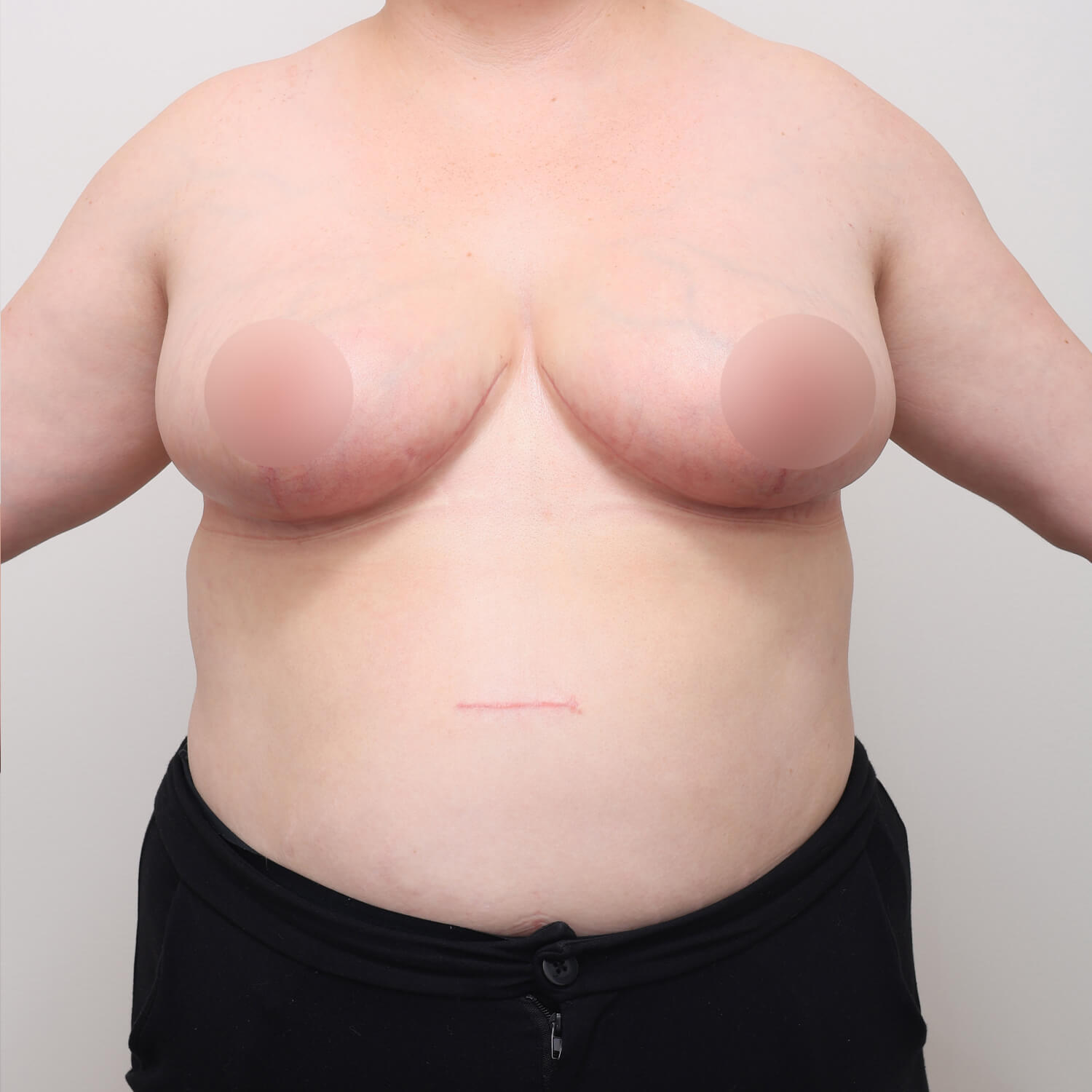
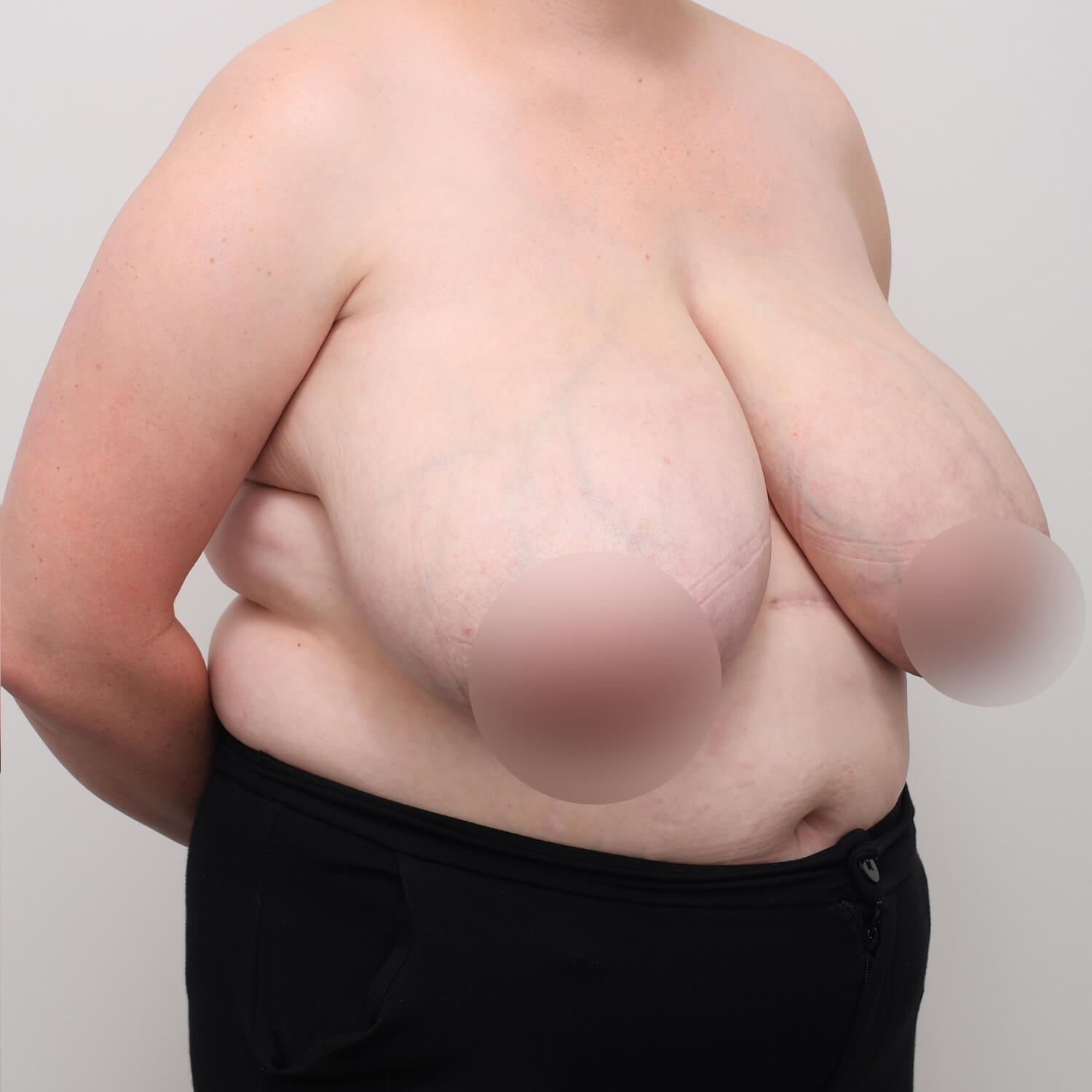
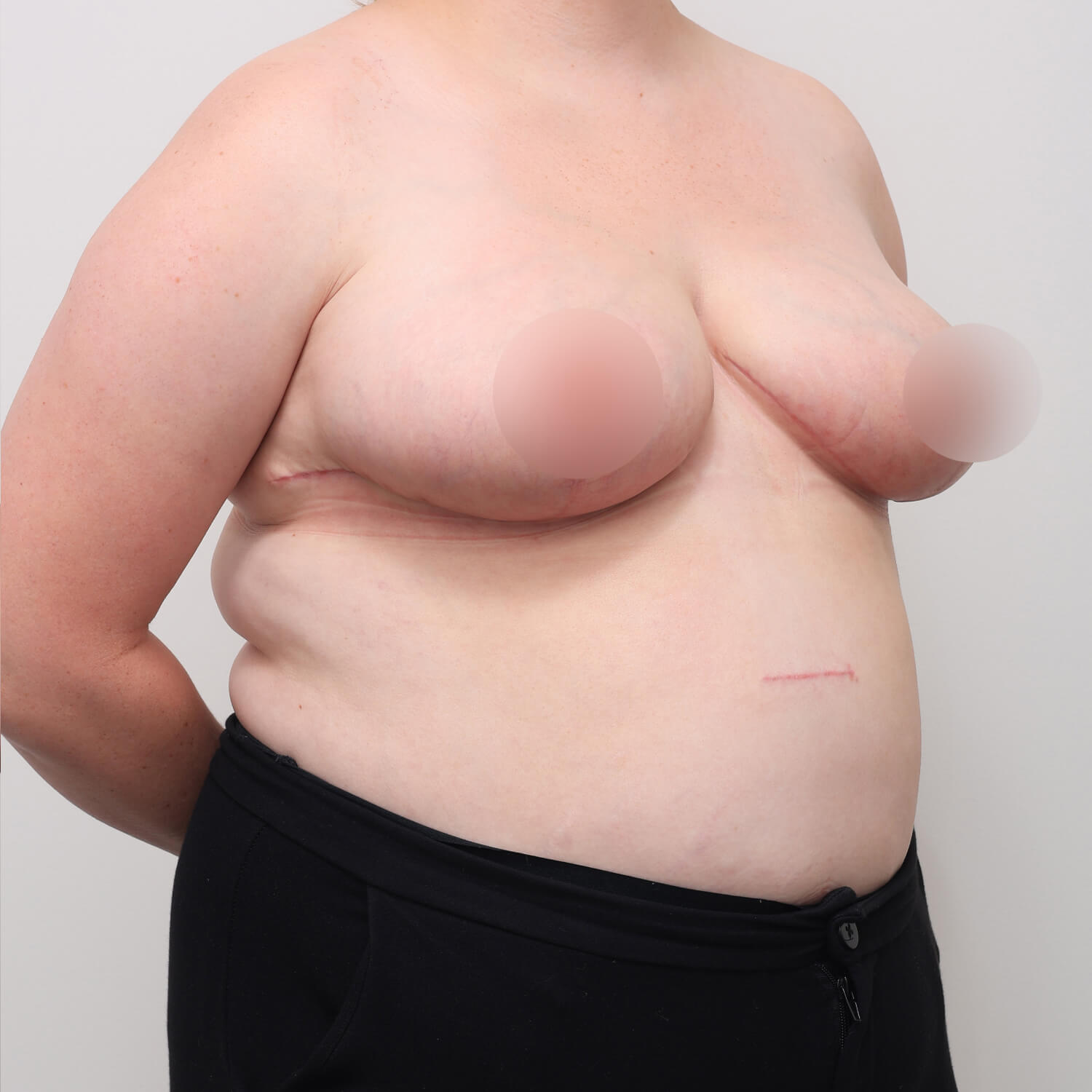
THE PROCEDURE
Breast reduction surgery is performed under general anaesthetic with Dr Raymond's experienced teams at Hunter Valley Private Hospital and Newcastle Private Hospital.
The procedure typically takes two and a half to three hours, depending on the degree of reduction required and whether liposuction is used as an adjunct.
Surgery involves removal of excess breast tissue and skin, reshaping of the breast mound, and repositioning of the nipple–areola complex to a more appropriate height.
Patients usually stay one night in hospital. Dr Raymond does not routinely use surgical drains. Patients wake from surgery wearing their post-operative bra, which we provide.
Where liposuction is combined with breast reduction, surgery may be performed at Newcastle Private Hospital, where VASER liposuction technology is available.
SCAR PATTERNS
Several scar patterns may be used for breast reduction, depending on breast size, degree of reduction required, skin quality, and breast shape.
These include:
- Periareolar scar (around the areola only)
- Vertical scar (around the areola with a vertical scar to the breast crease)
- Wise pattern / anchor scar (around the areola, vertically downward, and along the breast crease)
For patients requiring a significant reduction, the anchor-pattern scar is often the most reliable technique for achieving optimal shaping.
In selected patients requiring a more modest reduction, particularly younger patients, a vertical approach can reduce scar burden while still achieving excellent results.
The most appropriate scar pattern is determined during consultation.
THE PROCESS
Breast reduction begins with a detailed consultation process.
Dr Raymond assesses breast size, shape, degree of droop, skin quality, symmetry, and overall body proportions. Your symptoms and goals are discussed carefully, along with the degree of reduction required to achieve both symptom relief and balanced breast proportions.
Measurements and clinical photographs are taken, and the anticipated scar pattern, recovery, and risks are explained in detail.
Breastfeeding and Nipple Sensation
During breast reduction surgery, Dr Raymond uses techniques that preserve tissue beneath the nipple–areola complex wherever possible, with the aim of minimising disruption to breastfeeding potential.
However, breastfeeding after breast reduction cannot be guaranteed. Patients for whom future breastfeeding is a high priority are generally advised to consider delaying surgery.
Changes in nipple and breast skin sensation can occur. The majority of patients retain nipple sensation; however, permanent reduction or loss of sensation remains a recognised risk and is discussed during consultation.
THE RECOVERY
Following surgery, patients can expect swelling, bruising, and discomfort, particularly in the first one to two weeks.
Most patients:
- Return to non-physical work within two weeks
- Resume light exercise after four weeks
- Gradually return to full activity over six weeks
All sutures used are dissolving and do not require removal.
Patients receive scheduled LED light therapy, scar care guidance, and direct nursing support throughout recovery.
The majority of breast settling occurs within the first six weeks, with further maturation of shape over three to six months. Scars continue to mature for 12–18 months.
Treatment Risks
All surgery carries risk. Risks specific to breast reduction may include:
- Bleeding or infection
- Delayed wound healing
- Unfavourable scarring
- Asymmetry
- Changes in nipple or breast sensation
- Difficulty breastfeeding
- Partial or complete nipple–areola complex necrosis
- Dissatisfaction with size or shape
- Need for further surgery
These risks are discussed in detail during consultation. Further information is available on our dedicated Treatment Risks page.
Pricing
Breast reduction pricing is individualised and depends on whether the procedure meets Medicare criteria and whether you have appropriate private health insurance.
Pricing is provided as an all-inclusive estimate incorporating surgeon, anaesthetist, hospital admission, post-operative garments, routine follow-up appointments, scar care products, LED light therapy, and ongoing nursing support throughout recovery.
Medically Indicated Breast Reduction
For patients who meet Medicare criteria and have appropriate private health insurance, Medicare and private health fund rebates may apply. Eligibility is assessed during consultation.
As a guide:
- Total upfront cost: approximately $15,000
- Estimated rebates (Medicare and private health fund): approximately $1,200–1,600
- Estimated out-of-pocket cost: approximately $13,400–13,800
Self-Funded Breast Reduction
For patients who do not meet Medicare criteria or do not have private health insurance:
As a guide:
- Total all-inclusive cost: approximately $19,000–21,000
A personalised written quotation is provided following consultation. Medicare eligibility is assessed where appropriate, and all treatment options and associated costs will be discussed before proceeding.
PROFESSIONAL MEMBERSHIPS