
Eyelid Surgery (Blepharoplasty)
Upper and lower eyelid concerns often coexist but require different surgical approaches. Careful assessment is essential, as the appearance of the eyelids is closely influenced by the eyebrows, cheeks and surrounding facial structures.
Introduction
Eyelid surgery, also known as blepharoplasty, addresses age-related and structural changes affecting the upper and lower eyelids. These may include excess skin, eyelid heaviness, eye bags, tear trough hollowing and changes in eyelid position that affect both appearance and, in some cases, function.
Dr Raymond tailors each procedure to the individual, ensuring treatment is directed towards the underlying cause rather than simply removing skin.
Bilateral Upper and Transconjunctival lower blepharoplasty


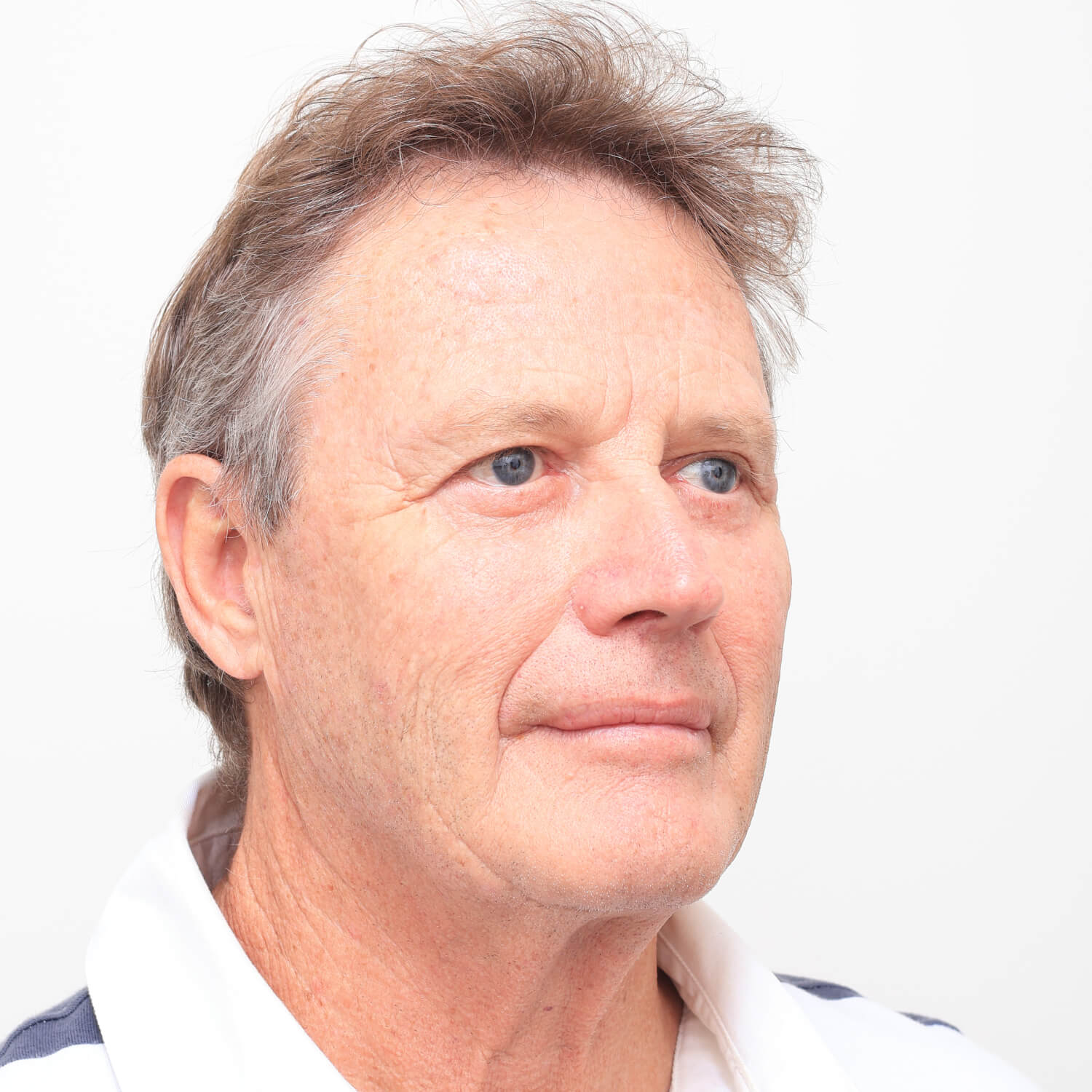
68 year old male
12 months post op
Bilateral Upper Blephroplasty
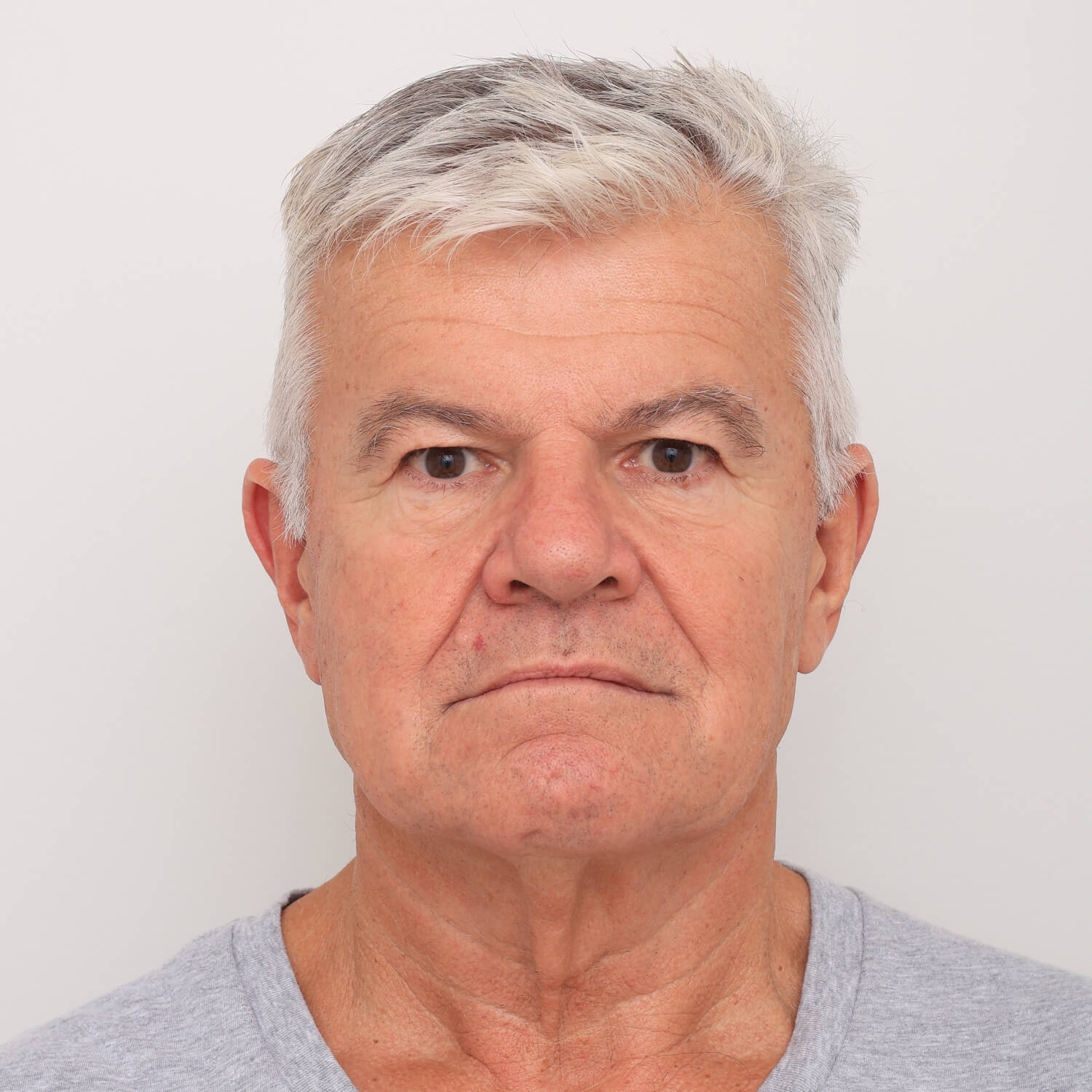
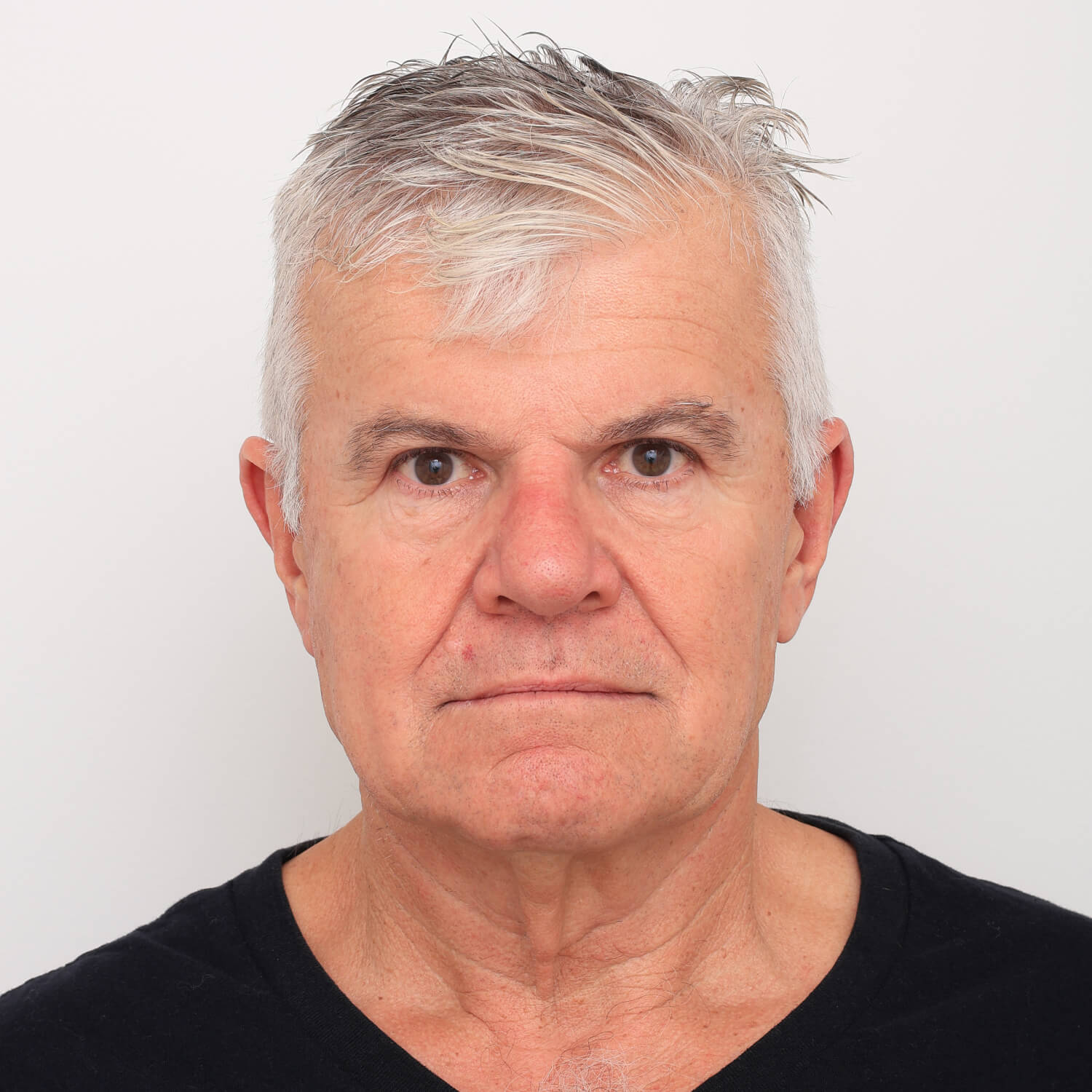
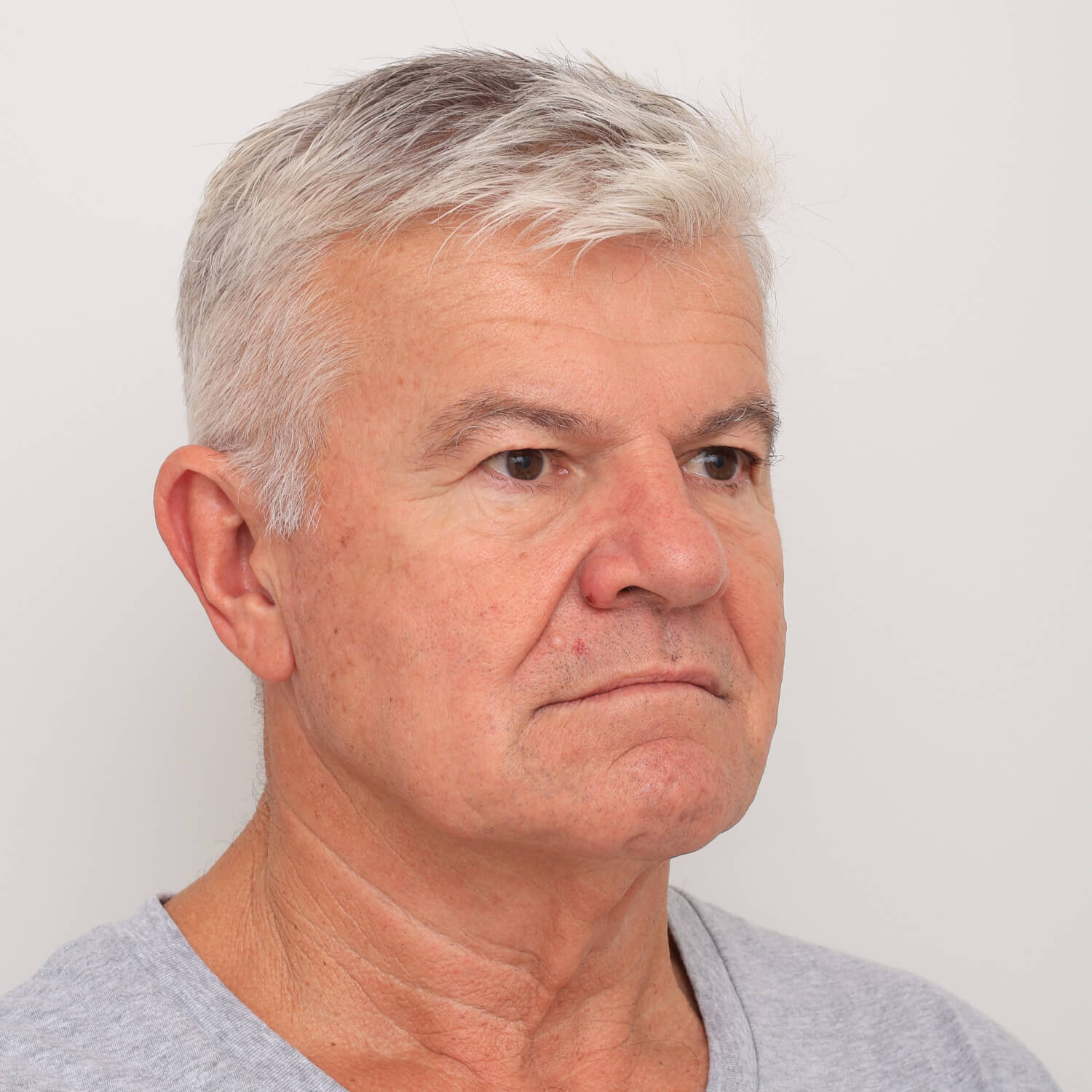
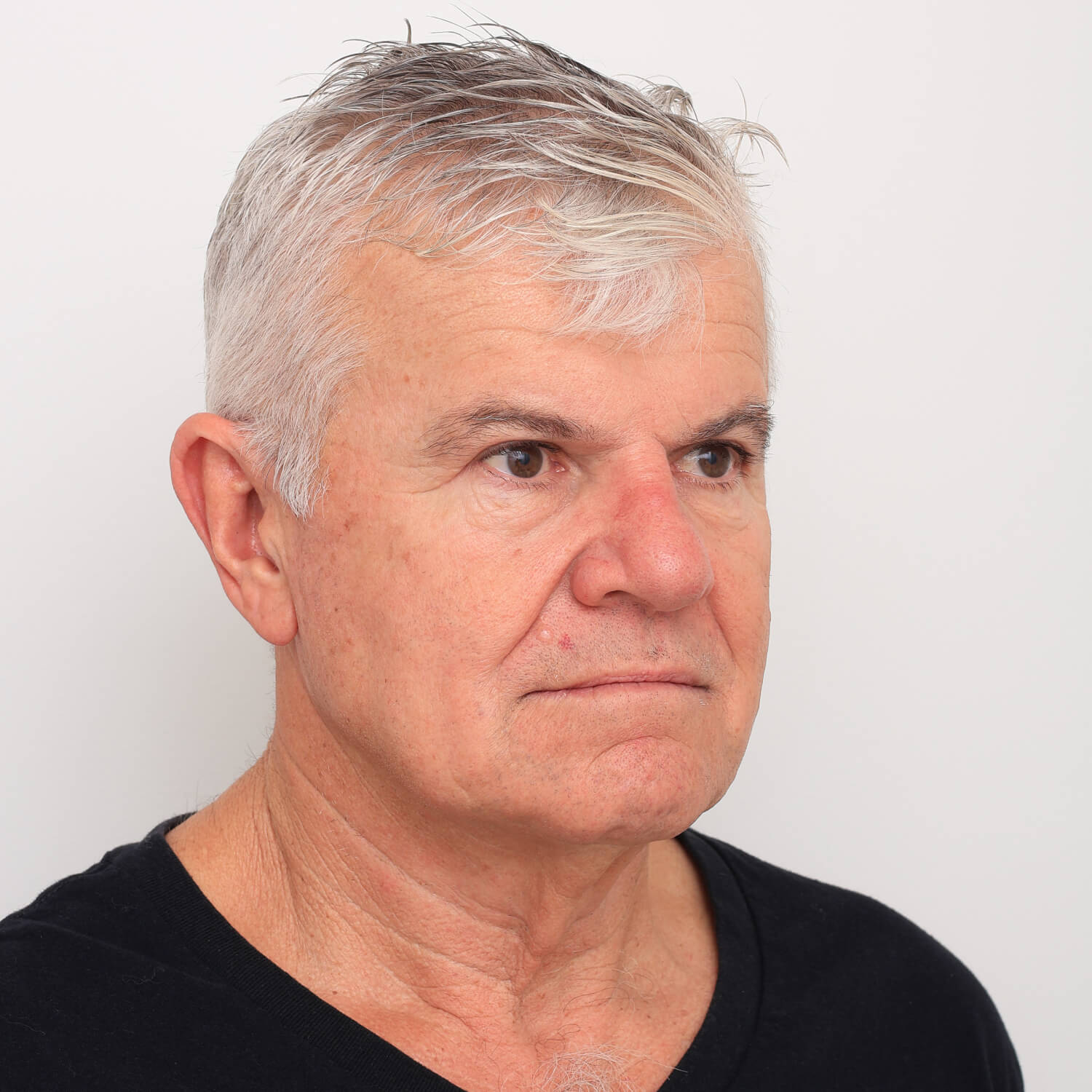
65 year old male
8 weeks post Bilateral Upper Blephroplasty
THE PROCEDURE
Eyelid surgery is performed under general anaesthetic at Hunter Valley Private Hospital.
THE PROCESS - Upper Eyelid Surgery
Upper eyelid surgery removes excess skin and, where required, underlying muscle or fat contributing to eyelid heaviness.
In some patients, excess upper eyelid skin contributes to visual obstruction and surgery may be considered medically indicated where Medicare criteria are met.
Brow position is an important part of assessment. In some patients, brow descent is the primary cause of upper eyelid heaviness, and a brow lift may be recommended instead of, or in combination with, upper eyelid surgery.
THE PROCESS - Lower Eyelid Surgery
Lower eyelid surgery is tailored to address three common concerns:
- Tear trough hollowing
- Eye bags
- Skin excess or laxity
Dr Raymond commonly performs a transconjunctival lower blepharoplasty, which allows correction of eye bags through the inside of the eyelid without an external skin incision. This approach preserves the important supporting structures of the lower eyelid and reduces the risk of eyelid malposition.
Where skin tightening is also required, treatment may involve laser resurfacing, a pinch blepharoplasty or, in selected patients, a more comprehensive lower eyelid procedure. The most appropriate technique is determined during consultation based on your anatomy and treatment goals.
RECOVERY
Swelling and bruising are expected after eyelid surgery and vary between individuals.
LED light therapy is routinely incorporated into the early recovery period to support wound healing, with sutures typically removed after one week.
RISKS
All surgery carries risk. Risks specific to eyelid surgery include:
- Bleeding or infection
- Under- or over-correction
- Asymmetry
- Delayed healing or unfavourable scarring
- Temporary difficulty closing the eyelids (upper eyelid surgery)
- Lower eyelid malposition (ectropion)
- Chemosis (temporary swelling of the surface of the eye)
- Rare but serious injury to the eye, including loss of vision
- The need for further surgery
These risks will be discussed in detail during your consultation. Further information is also available on our Treatment Risks page.
PRICING
Eyelid surgery is quoted using all-inclusive pricing, incorporating surgeon, anaesthetist, hospital and routine post-operative care.
As a guide:
- Upper eyelid surgery (Medicare eligible where criteria are met): approximately $4,500–6,000 before applicable rebates.
- Upper eyelid surgery (Cosmetic): approximately $6,500–8,000.
- Lower eyelid surgery: approximately $6,000–13,000, depending on the technique required.
Combined procedures, including upper and lower eyelid surgery or surgery performed alongside a brow lift or facelift, are quoted individually.
A personalised written quotation is provided following consultation. Medicare eligibility is assessed where appropriate, and all treatment options will be discussed before proceeding.
PROFESSIONAL MEMBERSHIPS